Why Dig? Trenchless Sewer Line Replacement Bypasses the Backhoe
When sewer line repairs are necessary
Experts say how long a sewer will last depends on various factors that affect its integrity, but if your sewer is 40 years old, it may need replacing.
Even if your home is new, its plumbing might be connected to an older pipe. Nearly a quarter of Angie’s List members who responded to an online poll have replaced their sewer and 3 percent say it’s a project in their imminent future.
Trenchless methods came on the market for residential homes about 10 to 15 years ago, but many consumers are still unaware that they’re an option. And because sewer pipe replacement decisions are often made when an emergency situation arises, it limits time to do important research.
Heidi Riddlesperger loves that her house sits on a street lined with majestic oak trees and historic homes. But she also knows that beneath her front yard lies an inevitable and potentially pricey repair.
Trenchless sewer line techniques
We offers two types of trenchless sewer line replacement that are becoming more popular among homeowners — “pipe lining” and “pipe bursting.” To install a pipe liner, which is also known as “cured in place pipe,” a flexible tube coated with resin is blown or pulled into the damaged pipe and inflated.
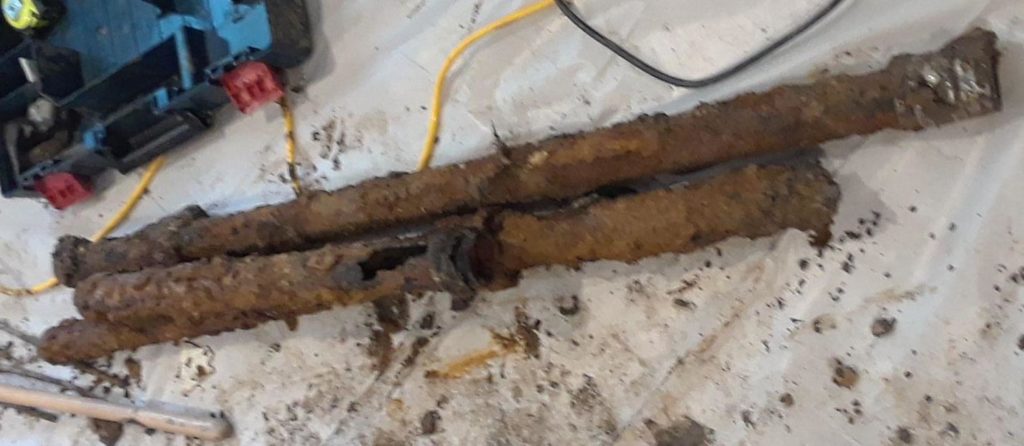
Signs That Indicate You Need Trenchless Pipe Repair
The only thing worse than a smelly pipe is not knowing where it’s coming from. It’s best to understand what plumbing issues you might have before any issues arrive
What Is a Trenchless Pipe Repair?
As they age & depending on the maintenance techniques performed and frequency of inspection, water and sewage lines are eventually going to be needed to be replaced. It is not a surprise that having to replace something as large and potentially intrusive and destructive as a sewer line, can be a cause of stress to homeowners.
Pipe Bursting
Pipe bursting is best if there is a lot of damage over large stretches of the sewer line. This method is less intrusive than traditional techniques because it only involves having 2 holes dug for repairs rather than having a large section of your yard dug up. The holes are dug across the entire length of the damaged area of the pipe.
Pipe Bursting Benefits
The benefit of using pipe bursting is that only two incision points are required, and the repairs made are made to last. With this method, your new pipe or pipe liner will end up being more durable than the old pipe. The new pipes are also code-compliant and the material they are made out of is chemical-resistant.
Pipe Relining Method
This method is typically done by digging one hole, inserting a lining material and balloon into the existing pipe. This coats the interior of the pipe, hardening on the inside. This creates a new pipe inside the old one.
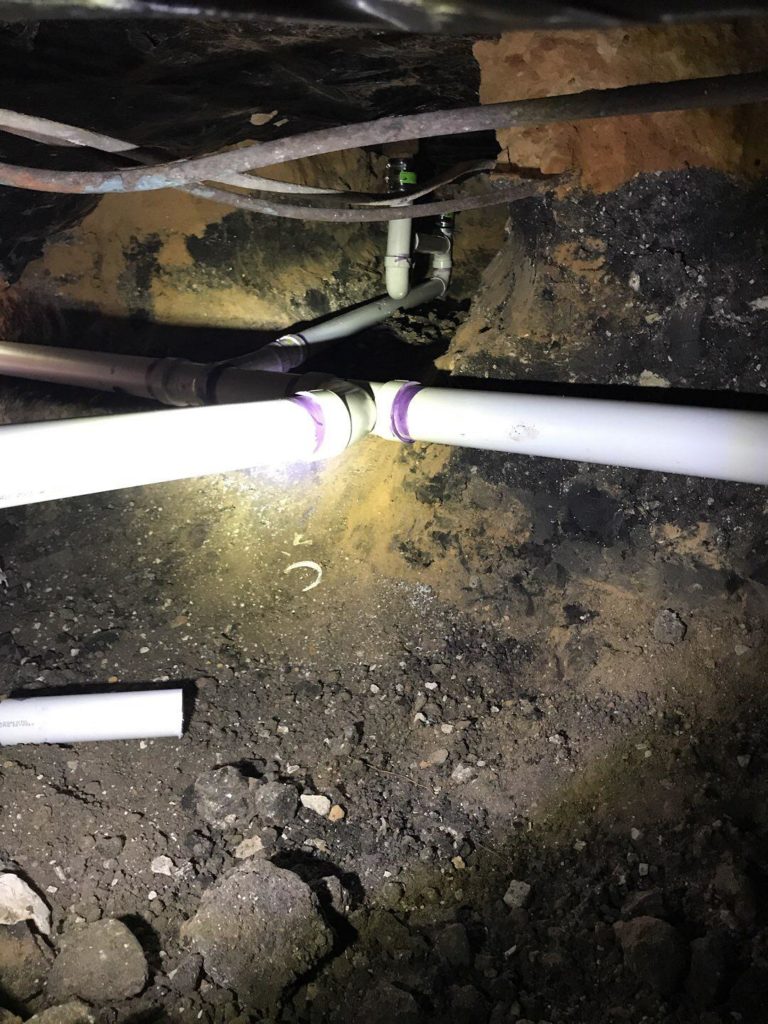
Trenchless Sewer Pipe Repair: Should You Do It?
Directional Boring
I ended the last time explaining a bit about directional boring so let’s start there. While directional boring is something I might recommend for water pipes in a yard, I would not recommend it ever for sewer pipes — outside or inside.
Pipe Bursting
Along the same line as directional boring is pipe bursting. Again a large machine is brought in and pits are dug at an entrance point and an exit point.
A bursting head that looks like a missile has the new pipe attached to its back end, fed into the entrance hole, and then pulled through the existing sewer line. The back end of the bursting head is larger than the existing pipe so it breaks the original line leaving the new pipe in its place.
CIPP – Cured In Place Pipe
Next up we have sewer pipe lining aka CIPP aka cured-in-place-pipe. This is similar to the epoxy lining with fresh water pipes. There are a couple different methods to do this type of repair but basically a sock-like tube is filled with an epoxy resin and is shot into the damaged pipe. The resin is then cured in place with warm water or air, hence the name, and a new “pipe” is created inside the existing pipe.
Most Promising – Flood Grouting
Flood grouting is currently used for pool repair, but I have high hopes for it as a possible trenchless option for residential sewer leaks.
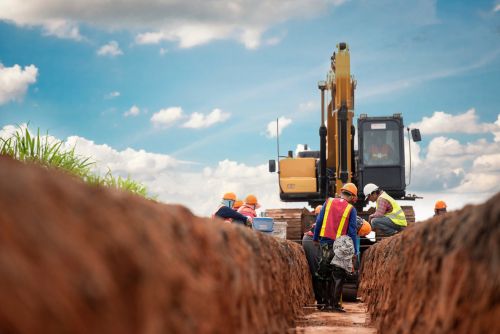
Why Trenchless Pipe Lining is a Better Option
One of the biggest property-owning headaches settles in when aging water pipes start causing problems. They can develop gradually as pinpoint leaks expand into larger problems, or can dramatically burst, flooding your property. in particular, has an issue with outdated and degraded water pipes. Older neighborhoods may have miles of pipes composed of iron or clay that could date back a century or more. Other properties may use PVC pipe that also breaks down over time. Tree root growth, ground shifts, and normal wear and tear can create serious problems in pipes
Property owners should check over the pipes for which they have the responsibility to make sure that they still can perform their task. Even small leaks should get repaired quickly because they can add up to major costs over weeks or months. Some may find that the water lost in a year would have more than paid for repairs.
The Old-Fashioned Way
Laying water pipes in trenches serves as the traditional way to install or repair a water pipe system. How traditional? Underground water delivery systems date back at least to the time of the Roman Republic, possibly as early as 200 BC. Just because a method is millennia old, however, does not mean that it serves as the best method in the 21st century.
Problems With Trench Dug Pipe Laying
The traditional method of repairing or replacing pipes involves transforming part or all of a property into a major construction project. Large areas of the yard will require digging up, regardless of any landscaping or hard surfaces encountered.
What Is Trenchless Pipe Lining?
With the traditional method used since Roman times a threat to create substantial costs, endless headaches, and a demolished landscape, the time has come to consider an alternative
Is Trenchless Sewer Replacement a Good Idea?
Dear Angie: My sewer pipe broke. I am considering hiring a company that does a trenchless pipe replacement. Is a trenchless drain a good option for sewer replacement?
Dear Laurie: Trenchless sewer pipe replacement can certainly help you avoid the disruption and costs associated with digging long trenches in your yard and tearing up landscaping, hardscaping, driveways and other structures that commonly occurs with replacing damaged sewer lines
With traditional trenching, you’re often forced to pay to dig up the street in front of your home, for traffic to be rerouted and for any repairs to any city-owned property or main sewer lines. This can range from a few thousand dollars to $20,000 or more.
Trenchless methods for homes have been around for about 15 years, but many homeowners are not aware of the option. The most common types of trenchless sewer line replacement are pipe lining and pipe bursting.
A pipe liner, also known as “cured-in-place pipe,” is a flexible tube coated with resin that is blown or pulled into the damaged pipe and inflated. The resin then hardens, creating a pipe within a pipe that is jointless and corrosion resistant. Lining will reduce the diameter of the lateral pipe – which connects the home to the main sewer line – by about a quarter of an inch, but won’t affect your capacity to remove waste from your home. Pipe lining typically involves digging just one access hole.